Millions of Hyundai and Kia vehicle owners across the United States may qualify for free anti-theft upgrades and potential compensation under a multistate settlement reached over vehicles that lacked standard theft-prevention technology.
The settlement stems from years of criticism directed at the automakers for selling certain models without engine immobilizers, a basic anti-theft feature that prevents a car from starting without the correct key. The absence of the technology made many Hyundai and Kia vehicles particularly vulnerable to theft, contributing to a nationwide surge after social media videos demonstrated how easily the cars could be stolen.
Under the agreement, Hyundai and Kia will provide free anti-theft hardware upgrades for eligible vehicles, including reinforced ignition components or similar devices designed to deter theft. The automakers have also committed to ensuring all new vehicles sold in the U.S. include industry-standard immobilizers moving forward.
In addition to hardware fixes, the settlement allows for restitution payments to eligible owners whose vehicles were stolen or damaged due to the lack of proper anti-theft protections. Funds will be distributed to consumers who can document theft-related losses, while participating states will also receive payments to cover enforcement and administrative costs.
Eligibility generally applies to Hyundai and Kia vehicles manufactured roughly between 2011 and 2022 that were sold without engine immobilizers, particularly models using traditional key-turn ignitions. Owners and lessees who purchased their vehicles in the U.S. may qualify whether or not their car has already been stolen, though compensation is typically reserved for those who experienced theft or attempted theft.
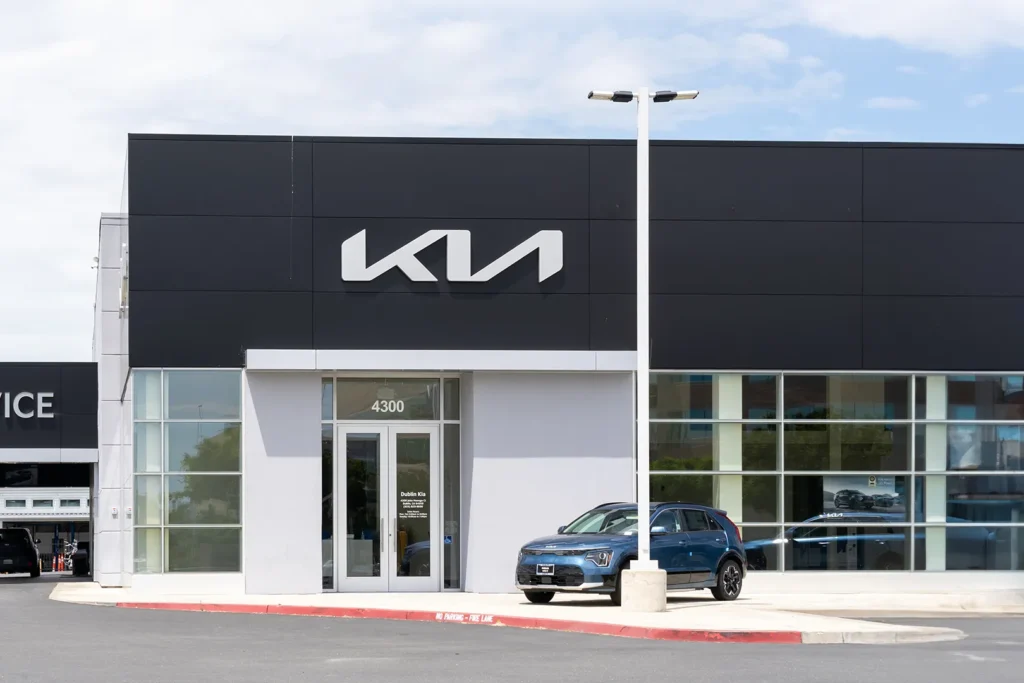
Drivers are encouraged to verify eligibility by checking their vehicle identification number through official settlement websites or by contacting an authorized Hyundai or Kia dealership. Eligible owners will be able to schedule free retrofit installations, usually within a defined time window once notified.
The settlement follows widespread public backlash and mounting legal pressure after thefts involving Hyundai and Kia vehicles spiked dramatically in multiple cities. While the automakers previously rolled out software updates and steering-wheel lock programs, state attorneys general argued those measures were insufficient, leading to the broader agreement now in place.