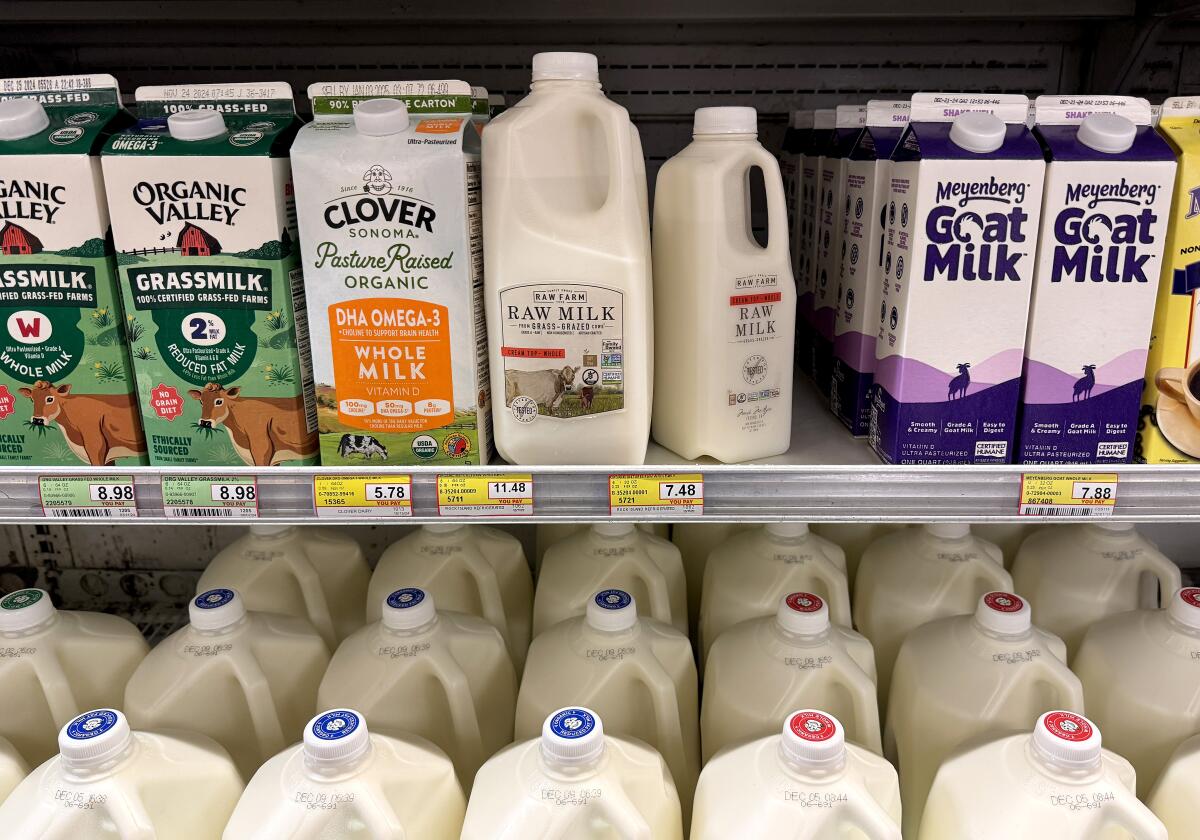
SACRAMENTO, Calif. — California milk and juice cartons may soon lose their recycling symbol as a major waste company stopped sorting them for recycling, potentially forcing the packaging into landfills and prompting regulatory changes under the state’s strict recycling laws. The move exposes deeper challenges in recycling mixed‑material containers despite the state’s ambitious environmental goals.
In a letter dated Dec. 15, Waste Management informed state officials that its Sacramento recycling facility will no longer separate cartons from the general waste stream, citing concerns from paper buyers and foreign regulators that even small amounts of cartons can contaminate higher‑value paper material and lead to rejected shipments. As a result, cartons that previously entered recycling channels may instead be sent to landfills.
Under California’s “Truth in Recycling” law (Senate Bill 343), a recycling material must be accessible to a required percentage of residents for the familiar chasing‑arrows recycling symbol to remain on products. With Waste Management’s change, access to carton recycling has fallen below that threshold, triggering guidelines that could compel regulators to remove the recycling label from cartons statewide.
That label is increasingly important because of Senate Bill 54, California’s single‑use packaging law, which requires products to be truly recyclable or compostable by 2032 in order to be sold or distributed in the state. Without the recycling symbol, carton manufacturers could struggle to comply with the law’s marketing and material standards, potentially jeopardizing the future of the packaging type in California.
Carton manufacturers and trade groups dispute the implications of Waste Management’s decision. The National Carton Council says evidence exists that cartons can be successfully sorted and recycled, pointing to past export markets that accepted combined cartons and mixed paper shipments. However, foreign markets such as Malaysia and Vietnam — destinations for U.S. recycling exports — have increasingly tightened standards or banned imports of contaminated waste, complicating recycling operations.
Environmental advocates argue the development highlights how difficult it remains to truly recycle products composed of layered paper, plastic and sometimes aluminum, materials that are beneficial for food preservation but challenging to process. “Recyclability isn’t static,” said Nick Lapis, director of advocacy for Californians Against Waste, noting that laws demanding honest labeling can push industry and government to build more resilient recycling markets.
As California refines its implementation of waste and recycling laws, the future of widely used beverage cartons will depend on efforts to expand true recycling capacity or shift packaging to materials that are more easily and widely processed. The situation underscores broader questions about recycling infrastructure, international waste flows and consumer expectations in a state long at the forefront of environmental policy.