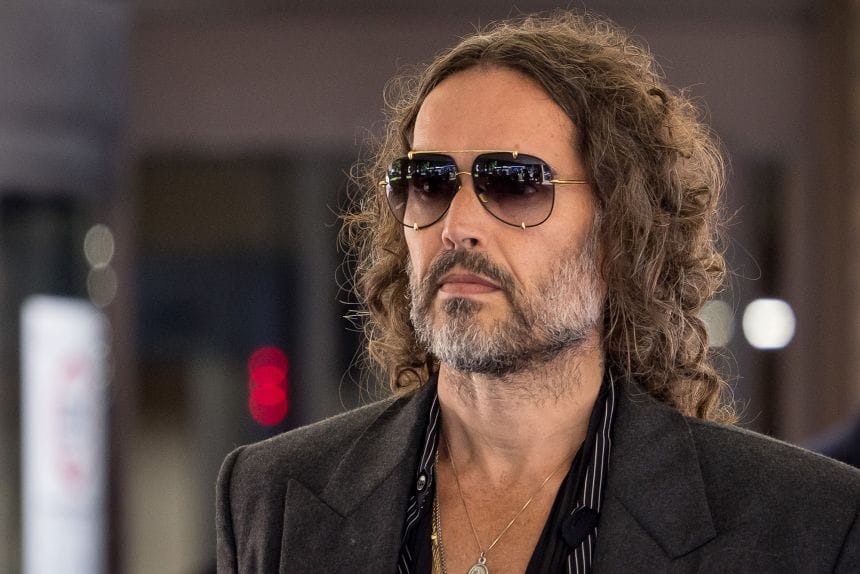
LONDON — British comedian and actor Russell Brand, 50, has been charged with two additional sex offenses, one count of rape and one count of sexual assault, authorities confirmed Tuesday, expanding a high-profile legal case already underway in the United Kingdom. These new allegations involve two additional women and bring the total number of charges against Brand to seven.
The Crown Prosecution Service (CPS) authorized the new charges after an investigation by the Metropolitan Police, announcing that the alleged crimes took place in 2009 and relate to two separate women. These new counts come in addition to the five charges previously issued in April 2025, which included two counts of rape, two counts of sexual assault and one count of indecent assault in relation to four other women.
Brand was first charged earlier this year after an 18-month investigation that followed media reports and documentary coverage about multiple women alleging sexual offenses spanning two decades. The earlier charges involved alleged incidents that took place between 1999 and 2005 in the Bournemouth and London areas.
Brand has pleaded not guilty to the original set of charges and denied all allegations, asserting on social media that while he lived a “foolish” life in the past, he has never engaged in non-consensual activity. His next court appearance for the newly filed charges is scheduled for January 20, 2026, at Westminster Magistrates’ Court. A separate trial on the original charges is set to begin on June 16, 2026, at Southwark Crown Court.
Detectives leading the investigation have said that all women who have come forward, including those connected to the new allegations, continue to receive support from trained officers, and investigators are urging anyone with further information to contact police.
The case has drawn significant public attention due to Brand’s earlier fame as a comedian, actor and broadcaster, and his later online presence as a wellness influencer and commentator on social and political topics. As legal proceedings continue, the spotlight remains on both the judicial process and the broader conversations about accountability in historical sexual offence cases.