In 2025, brands learned once again that stepping anywhere near politics can ignite instant backlash. Social media outrage moves fast, calls for boycotts spread even faster, and a single campaign can spark national debate overnight. Yet not every company that faced controversy collapsed under pressure. Some adapted, stayed quiet, or doubled down strategically and survived.
Here are three brands that faced intense politicized backlash in 2025 and managed to move forward without lasting damage.
American Eagle and Sydney Sweeney
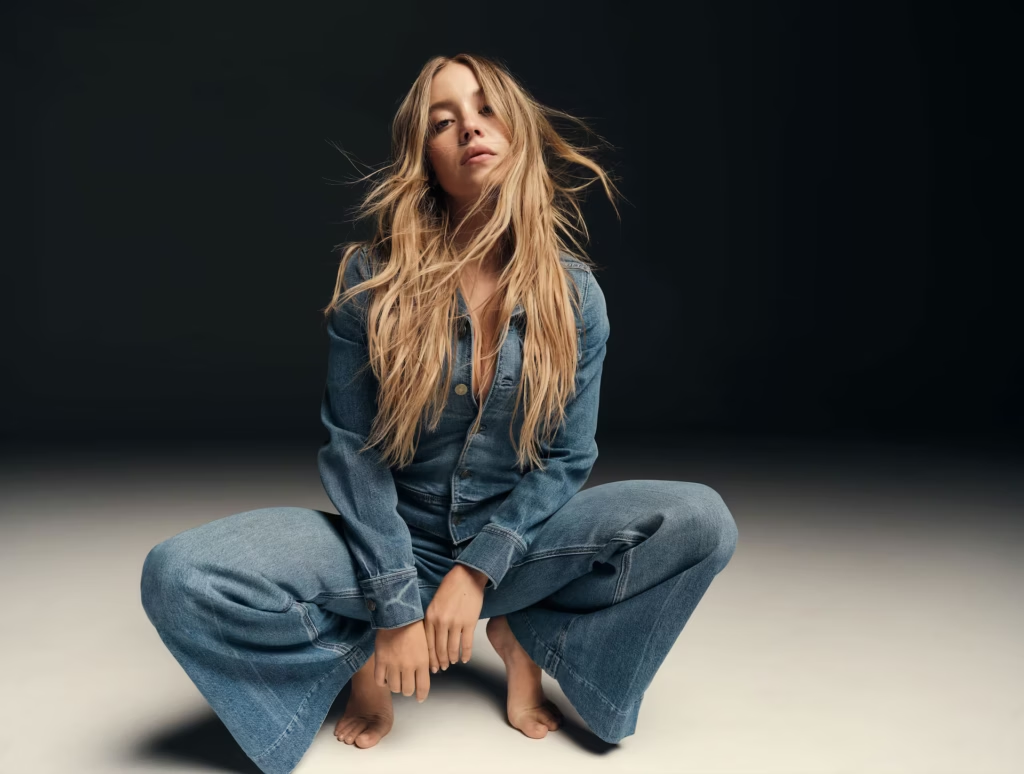
American Eagle found itself at the center of a political storm after launching a denim campaign featuring actress Sydney Sweeney. While the campaign itself focused on classic American style and nostalgia, critics online accused the brand of signaling conservative values through tone, casting choices, and messaging. The backlash quickly spilled into broader culture war debates, with social media users attempting to frame the ad as politically coded.
Despite the noise, American Eagle did not pull the campaign. The company avoided engaging directly with critics and allowed consumer interest to drive the narrative. Sales data and online engagement showed the campaign resonated with its target audience, and public attention eventually shifted elsewhere. By staying neutral and refusing to overcorrect, American Eagle weathered the controversy and preserved brand momentum.
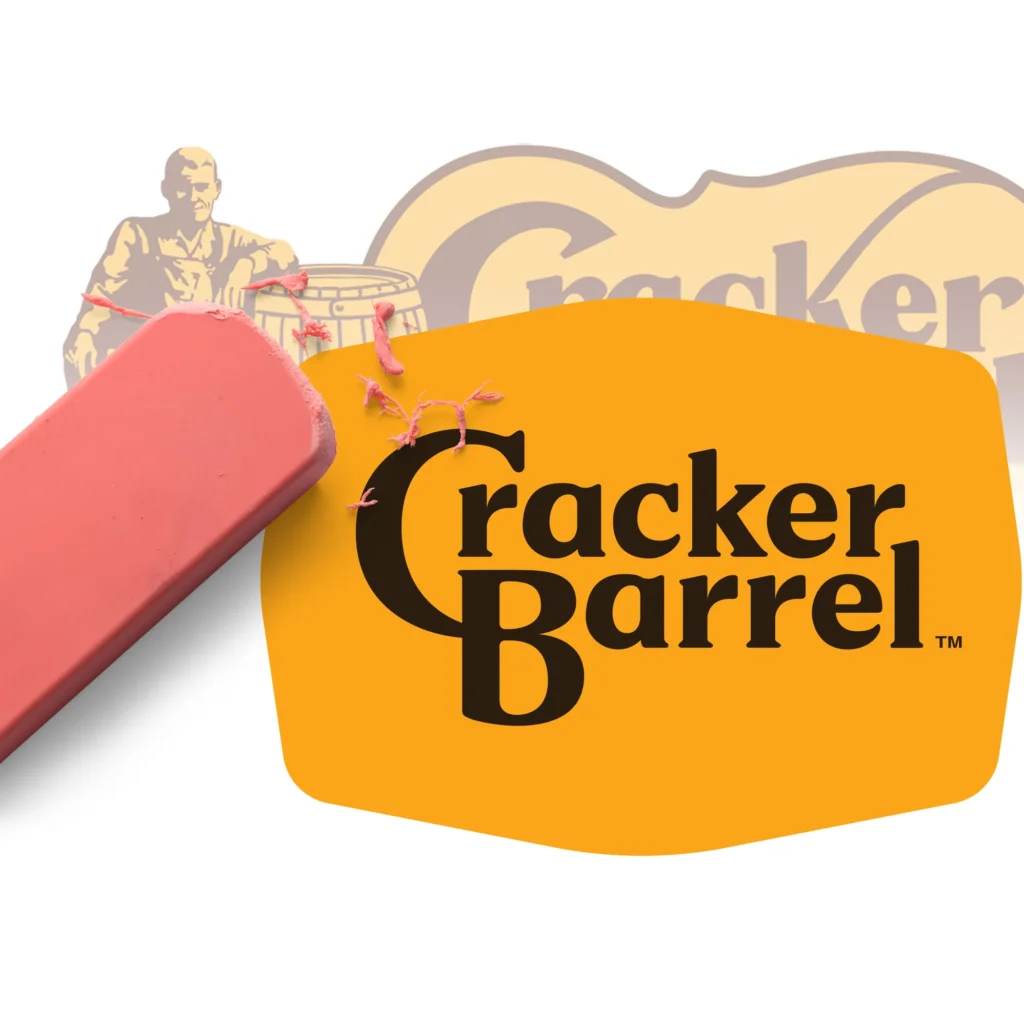
Cracker Barrel Rebrand
Cracker Barrel faced backlash from a different angle after rolling out a modernized brand refresh that included new menu items, updated store designs, and messaging meant to appeal to younger customers. Longtime patrons accused the chain of abandoning traditional values, while others framed the rebrand as politically motivated cultural signaling.
The reaction sparked heated debate across social platforms, with critics claiming the company was either becoming too progressive or not progressive enough. Cracker Barrel responded by emphasizing continuity rather than ideology. Executives framed the changes as business driven rather than political, reinforcing that core menu staples and brand identity would remain intact. Over time, foot traffic stabilized and the outrage cycle cooled.

Dunkin Donuts and the Golden Hour Drink
Dunkin Donuts entered controversy after partnering with actor Kit Connor Casalegno to promote its Golden Hour drink. The campaign drew unexpected backlash when online commentators interpreted the branding and ambassador choice as a political statement. What began as a seasonal beverage launch quickly turned into a polarized online conversation.
Dunkin avoided public statements and focused on distribution and product visibility instead. The Golden Hour drink continued to perform well, and the brand leaned into its long standing image as an everyday coffee chain rather than a political participant. By keeping the focus on the product and customer experience, Dunkin allowed the controversy to fade without escalation.